
One day introduction to the Open Dialogue approach
for mental health professionals/teams, independent practitioners, peer workers, family members, students and people receiving services
Online - Tuesday 20 October 2026 - 09.30-17.00 UK time
In this one day online seminar Nick Putman will introduce the Open Dialogue approach using presentations and dialogues. Participants can expect to gain a fuller understanding of the approach, the philosophy that underpins it, and how it relates to, and can inform current working practices. Our hope is that everyone will have the opportunity to participate in small and large group conversations about the approach. The seminar will be conducted on Zoom, which allows for breakout rooms for small group discussions. Further information will be provided to participants regarding the use of Zoom.
We have included a range of price points for this seminar, in the hope that everyone who wishes to attend can do so:
- Organisation Rate: £90
(if you are working for an organisation who is paying for you) - Independent Practitioner Rate: £70
(if you are working independently and paying for yourself, whether you work in mental health care or another field) - Family Member/Full-Time Student Rate: £40
(if you are a family member of someone who is currently receiving public mental health care services or you are a student who is studying full-time) - Lower Rate: £20
(if you are currently receiving mental health services or you are currently unemployed)
All prices include VAT
We welcome mental health professionals, service users/people with lived experience of mental health challenges, family members and anyone who has an interest in mental health (services) at this seminar.
Topics to include:
- Background and history of the development of the approach
- The 7 principles and 12 key elements of dialogical practice
- The structure of the service in Lapland
- The practice of facilitating network/family meetings
- Aims and process in the work
- Psychosis and medication
- Outcome research
- Developments in the UK
Additional Information
CPD Certificates will be sent to all attendees (6 hours).
Seminar Facilitator
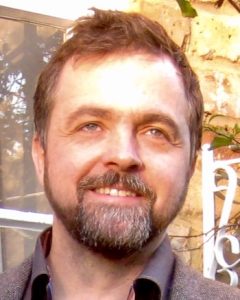
Nick Putman is a UKCP registered psychotherapist and a certified Open Dialogue practitioner and trainer, having completed a two year practitioners’ training and a three year trainers’ training in the Open Dialogue approach with Jaakko Seikkula, Jorma Ahonen, Kari Valtanen, Markku Sutela, Mary Olson and others.
Nick founded Open Dialogue UK in 2012. He has visited the Open Dialogue service in Western Lapland on a number of occasions to study the approach and the structure of the service.
Nick has 25 years experience working in a variety of mental health settings, and considerable experience working with people experiencing psychosis and their families.
Nick is the co-editor/co-author of the book “Open Dialogue for Psychosis – Organising Mental Health Services to Prioritise Dialogue, Relationship and Meaning” which was published in July 2021. This is the first book to collate international accounts of Open Dialogue practice, service development, training and research.
Register for the seminar
Payment and other information
Within 24 hours of registering the person specified in the form above will receive an invoice with details of how to pay for your registration. You can either pay online via PayPal (using either a debit/credit card or your PayPal account) or make a bank transfer.
Terms & Conditions
By registering for this event you are confirming that you will be attending. Payment is due within 7 days of receiving your invoice, or immediately if booking in the 14 days leading up to the event. If your payment is delayed, we cannot guarantee your place at the event. If your organisation is paying and you need longer to process your payment, please contact us to let us know. The organisers reserve the right to make minor changes to the programme as required.
Cancellation policy
Cancellations will only be accepted via the contact form on our website. A refund, less an administration charge of £20, will be given to all cancellations received at least 14 days prior to the event. Thereafter the full fee is payable, regardless of whether the delegate attends or not. Substitutions can be made up to 24 hours prior to an event.